Targeted therapy for cancer is a breakthrough approach in modern oncology that focuses on treating cancer by identifying and attacking specific molecules, genes, or biological pathways involved in tumor growth and survival. Unlike conventional chemotherapy, which affects both healthy and cancerous cells, targeted cancer therapy is designed to specifically interfere with cancer cells while helping protect surrounding healthy tissues. This advanced treatment strategy has transformed cancer management by offering more personalized, effective, and precise care options for eligible patients.
Cancer develops due to abnormal changes in cells, often involving genetic mutations or overactive proteins that allow tumors to grow and spread. Targeted therapy works by identifying these unique characteristics within cancer cells and using specially designed medicines to block their activity. By interrupting the signals that support cancer growth, targeted treatments can slow disease progression, control tumors, and improve overall treatment outcomes.
A key part of targeted therapy is precision diagnosis. Before beginning treatment, oncologists often recommend molecular testing, genetic profiling, or biomarker analysis of the tumor. These advanced tests help identify specific genetic alterations or proteins that may respond to targeted medicines.
Every cancer patient has a unique tumor profile, and molecular testing allows doctors to choose therapies that match the individual characteristics of the cancer. This personalized approach helps avoid unnecessary treatments and increases the possibility of achieving better results. With continuous advancements in cancer research, new targeted therapies are being developed to address a wider range of cancer types and genetic changes.
Targeted therapy is used for several types of cancers where specific molecular targets have been identified. It plays an important role in the treatment of:
Depending on the cancer type, stage, and genetic characteristics, targeted therapy may be used as the primary treatment, combined with chemotherapy or immunotherapy, or used to prevent cancer recurrence.
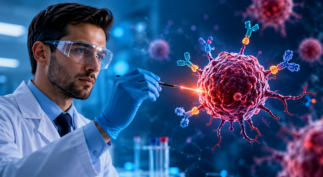
Targeted cancer treatments work through different mechanisms to control cancer growth. Some therapies block signals that tell cancer cells to multiply, while others prevent the formation of new blood vessels that tumors need for growth. Certain targeted medicines can also help the immune system recognize and destroy cancer cells more effectively.
These therapies are commonly delivered through oral medications or intravenous infusions. The treatment plan is carefully designed by an oncology specialist based on the patient’s diagnosis, overall health, previous treatments, and response to therapy.
One of the major advantages of targeted therapy is its ability to provide a more focused treatment approach. Because these medicines are designed to act on specific cancer-related changes, many patients experience improved tolerance compared to traditional chemotherapy.
Potential benefits include:
Although targeted therapy can offer significant benefits, side effects may still occur. These can vary depending on the type of medication and individual patient response. Common side effects may include fatigue, skin changes, digestive issues, blood pressure changes, or other treatment-specific effects. Regular monitoring helps doctors manage these effects and maintain treatment effectiveness.
Successful targeted therapy requires expert evaluation and ongoing medical supervision. Our oncology team reviews each patient’s cancer characteristics, diagnostic results, and treatment goals to create a customized care plan. During therapy, patients are regularly monitored through clinical assessments, imaging studies, and laboratory tests to evaluate treatment response.
This continuous approach allows doctors to make necessary adjustments and provide the best possible cancer care. By combining advanced technology with experienced oncology expertise, targeted therapy helps patients access innovative treatment options designed around their specific cancer profile.
Targeted therapy represents the future of personalized oncology. As research continues to discover new cancer-related biomarkers and genetic changes, treatment options continue to expand. These advancements are helping patients receive therapies that are more effective, less invasive, and better suited to their individual needs.
Through precision-guided cancer treatment, targeted therapy provides hope for improved outcomes and a more patient-focused approach to cancer management. With advanced diagnostics, innovative medicines, and specialized oncology care, targeted therapy is helping redefine the way cancer is treated today.