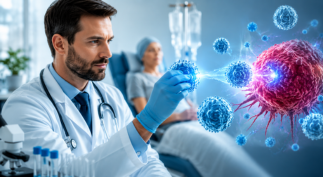
Immunotherapy for cancer is one of the most significant advancements in modern oncology, offering new hope to patients diagnosed with various types of cancer. Unlike traditional cancer treatments that directly target tumors, immunotherapy works by strengthening and enhancing the body's natural immune system, enabling it to recognize, attack, and eliminate cancer cells more effectively.
Cancer cells often develop mechanisms that allow them to hide from the immune system, making it difficult for the body to identify and destroy them. Immunotherapy helps overcome these barriers by activating immune responses and improving the body's ability to detect and fight cancer. This innovative treatment has transformed cancer care and has become an important option for many patients seeking advanced and personalized treatment solutions.
Cancer immunotherapy is a specialized treatment designed to boost the immune system's ability to combat cancer. The immune system naturally protects the body against infections and abnormal cells, including cancerous cells. However, some cancers can evade immune detection and continue to grow unchecked.
Immunotherapy helps restore or enhance the immune system's cancer-fighting capabilities through various mechanisms. Depending on the type of cancer and individual patient factors, immunotherapy may be used alone or combined with other treatments such as chemotherapy, targeted therapy, radiation therapy, or surgery.
Today, immunotherapy has become an integral part of cancer treatment plans for many patients and continues to improve outcomes across multiple cancer types.
Immunotherapy has demonstrated remarkable effectiveness in treating a wide range of cancers. It is commonly used for:
The suitability of immunotherapy depends on several factors, including cancer type, stage, molecular characteristics, and overall patient health.
One of the key advantages of modern immunotherapy is its personalized approach. Before initiating treatment, specialized biomarker testing may be recommended to determine whether a patient is likely to benefit from immunotherapy.
Biomarkers are specific genetic, molecular, or protein markers found in cancer cells that help predict treatment response. Common tests may evaluate factors such as PD-L1 expression, microsatellite instability (MSI), tumor mutational burden (TMB), and other immune-related markers.
These advanced diagnostic assessments allow oncologists to develop customized treatment strategies, ensuring patients receive therapies most likely to produce positive outcomes while minimizing unnecessary treatments.
Immunotherapy enhances the body's immune response against cancer by helping immune cells recognize and attack malignant cells. Different immunotherapy treatments work through various mechanisms, including:
Checkpoint inhibitors block specific proteins that prevent immune cells from attacking cancer cells. By removing these "brakes" on the immune system, immune cells can better identify and destroy tumors.
These laboratory-produced antibodies are designed to target specific proteins found on cancer cells, helping the immune system recognize and eliminate them.
CAR T-cell therapy involves modifying a patient's own immune cells in a laboratory and reintroducing them into the body to target cancer more effectively.
Therapeutic cancer vaccines help stimulate the immune system to recognize and attack specific cancer cells.
Cytokines are immune-signaling proteins that help strengthen the body's natural immune response against cancer.
The choice of immunotherapy depends on the cancer type, disease stage, and individual patient characteristics.
Immunotherapy offers several important advantages compared to conventional cancer treatments:
Many patients experience durable responses, with some continuing to benefit from treatment even after therapy has ended.
Clinical studies have shown significant improvements in overall survival rates for certain cancers treated with immunotherapy.
Immunotherapy focuses on activating the immune system rather than directly attacking healthy cells, helping reduce damage to normal tissues.
Biomarker-guided treatment selection allows oncologists to tailor therapies according to each patient's unique cancer profile.
Immunotherapy can be combined with chemotherapy, radiation therapy, targeted therapy, or surgery to improve treatment effectiveness and overall outcomes.
Many patients tolerate immunotherapy better than traditional chemotherapy, allowing them to maintain daily activities and overall well-being during treatment.
While immunotherapy is generally well tolerated, it can sometimes cause immune-related side effects due to increased immune system activity. These side effects can affect different organs and systems within the body.
Common side effects may include:
Regular monitoring and follow-up appointments are essential throughout treatment. Early detection and prompt management of side effects help ensure patient safety and treatment success. Our multidisciplinary oncology team closely monitors each patient and provides comprehensive supportive care throughout the treatment journey.
Immunotherapy represents a groundbreaking advancement in cancer care, offering hope for patients with complex and advanced cancers. Through innovative immune-based treatment strategies, patients can benefit from more personalized, targeted, and effective cancer care.
Our cancer specialists utilize the latest evidence-based immunotherapy treatments, advanced diagnostic testing, and individualized treatment planning to deliver optimal outcomes. We are committed to providing compassionate, patient-centered care while leveraging cutting-edge oncology innovations.
By combining expertise, advanced technology, and personalized treatment approaches, we strive to improve survival outcomes, enhance quality of life, and support patients at every stage of their cancer journey.
If you or a loved one has been diagnosed with cancer, immunotherapy may offer an effective treatment option. Consult with our oncology experts to learn whether immunotherapy is suitable for your specific condition and explore the latest advancements in cancer treatment designed to help you achieve the best possible outcomes.