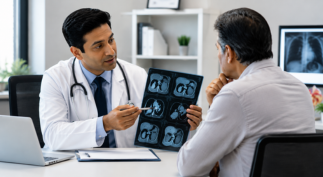
A cancer diagnosis can be life-changing, bringing uncertainty, emotional stress, and important decisions that must often be made quickly. Choosing the right treatment approach is critical, and patients deserve complete confidence in their diagnosis and care plan. Seeking a second opinion in cancer care is a valuable step that provides expert insight, confirms treatment recommendations, and helps patients make informed healthcare decisions with greater clarity and peace of mind.
Our Second Opinion in Cancer Care service offers a comprehensive review of cancer diagnoses, pathology reports, imaging studies, laboratory findings, and proposed treatment plans. Whether you have been newly diagnosed, are considering a major procedure, have a rare cancer, or are exploring advanced treatment options, our goal is to provide an independent expert evaluation that ensures you have access to the most accurate information and evidence-based recommendations available.
A cancer second opinion is an independent medical evaluation conducted by an experienced oncology specialist. The purpose is to review all available medical information and provide an objective assessment of the diagnosis, cancer stage, and recommended treatment options.
A second opinion does not replace your current doctor. Instead, it offers an additional expert perspective that can help confirm the original diagnosis and treatment plan or identify alternative approaches that may be appropriate for your specific condition.
Many patients find that obtaining a second opinion increases their confidence in their treatment decisions and provides reassurance that all available options have been carefully considered.
Cancer treatment has advanced significantly in recent years, with new therapies, targeted treatments, immunotherapy options, precision medicine approaches, and clinical trials becoming increasingly available. Because treatment recommendations can vary depending on the expertise and experience of the healthcare team, a second opinion can provide valuable insights into the most effective treatment strategies.
Patients commonly seek a second opinion for:
Seeking a second opinion is a normal and widely accepted part of cancer care and is encouraged by many healthcare professionals.
A thorough second opinion begins with a detailed review of all relevant medical information. Our oncology specialists carefully examine:
This comprehensive assessment helps ensure that the diagnosis is accurate and that treatment decisions are based on the most complete and up-to-date information available.
Accurate diagnosis and staging are essential for selecting the most effective treatment strategy. In some cases, a second opinion may reveal additional findings or provide greater clarity regarding the type and extent of cancer.
Our specialists evaluate:
Confirming these details helps ensure that patients receive the most appropriate care for their specific condition.
One of the most important benefits of a second opinion is the opportunity to explore additional treatment options that may not have been previously discussed.
Depending on the diagnosis, alternative recommendations may include:
Our goal is to ensure that patients understand every available option and the potential benefits and risks associated with each approach.
Cancer treatment continues to evolve rapidly. New therapies and innovative treatment techniques have improved outcomes for many patients across a wide range of cancer types.
During a second-opinion consultation, we assess eligibility for advanced treatment options, including:
Immunotherapy helps the body's immune system recognize and attack cancer cells. It has become an important treatment option for many cancers, including lung cancer, melanoma, kidney cancer, and several other malignancies.
Targeted therapies focus on specific genetic mutations or molecular pathways that drive cancer growth. These treatments may offer improved effectiveness with fewer side effects compared to traditional therapies in selected patients.
Precision medicine uses detailed genetic and molecular analysis to tailor treatment recommendations based on the unique characteristics of an individual's cancer.
Clinical trials provide access to innovative therapies that may not yet be widely available. We help patients understand whether participation in a clinical trial could be beneficial based on their diagnosis and treatment history.
Patients diagnosed with rare cancers often benefit significantly from expert second-opinion evaluations. Rare cancers may require specialized diagnostic techniques and treatment approaches that are not routinely encountered in general oncology practice.
Our specialists provide expert review for:
Access to specialized expertise can be particularly valuable when treatment decisions are challenging or when standard treatment guidelines are limited.
Cancer affects not only patients but also their families and caregivers. Treatment decisions often involve weighing multiple factors, including potential benefits, side effects, quality of life considerations, and long-term outcomes.
Our second-opinion consultations provide:
By improving understanding and confidence, patients can move forward with greater peace of mind.
Obtaining a second opinion offers several important advantages:
Even when the second opinion agrees completely with the original recommendation, patients often feel reassured knowing they have explored every available option.
We understand that a cancer diagnosis can be overwhelming and that treatment decisions can feel difficult and stressful. Our Second Opinion in Cancer Care service is designed to provide expert guidance, clear communication, and compassionate support throughout the decision-making process.
Whether you have recently received a cancer diagnosis, are considering a major treatment decision, or wish to explore advanced therapy options, our experienced oncology team is committed to helping you understand your condition and make confident, informed choices. Through comprehensive evaluation, evidence-based recommendations, and personalized care, we ensure that every patient has access to the knowledge and expertise needed to pursue the most appropriate cancer treatment pathway and achieve the best possible outcomes.